The Carolina Quilter Blog
Welcome to the Carolina Quilter Experience!
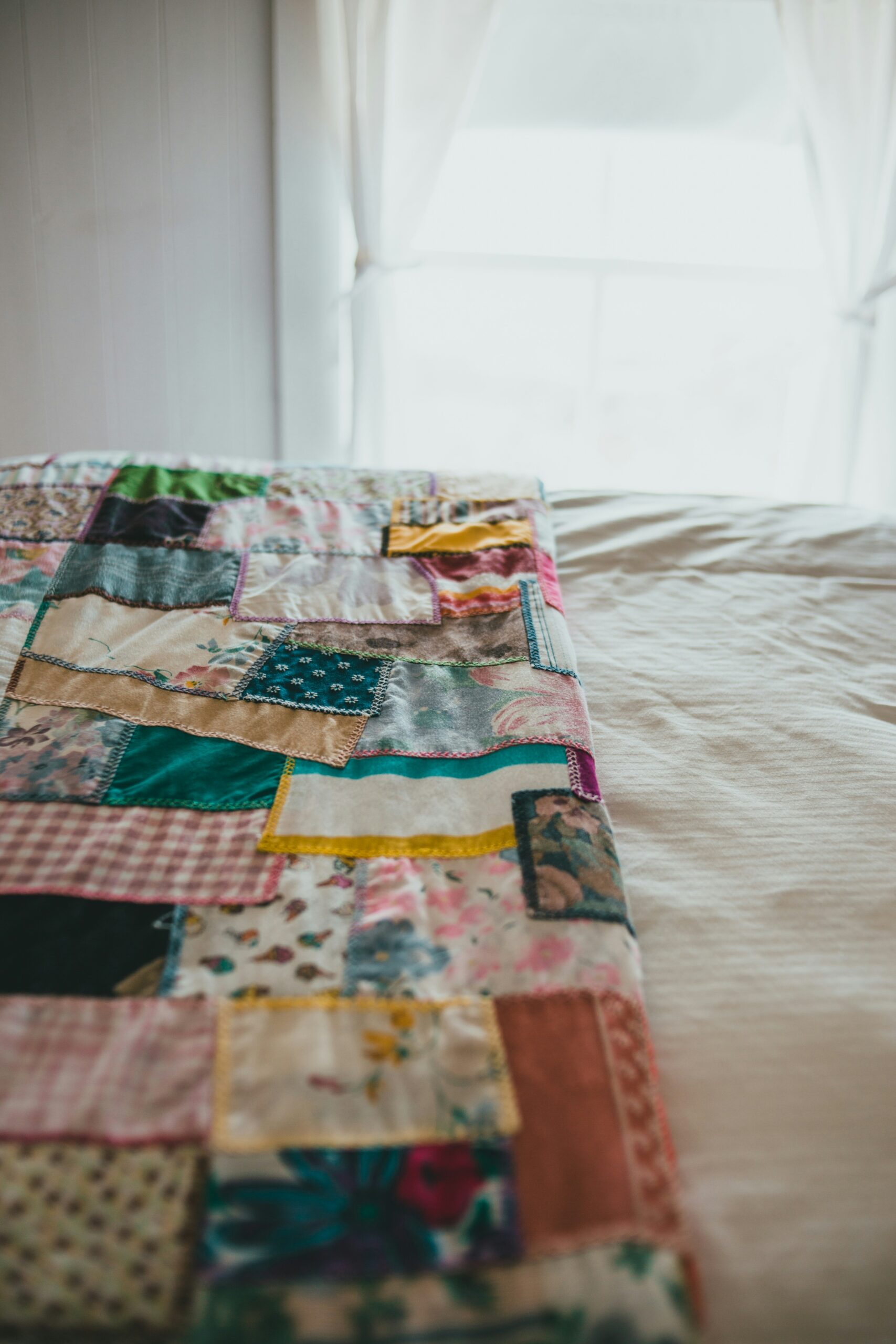
Quilting, an intricate and creative craft, combines various techniques and materials to create stunning, functional art pieces. For those aspiring to quilt like a pro, understanding the history, terminology, and techniques is essential. This essay explores the essentials of professional quilting, drawing inspiration from the rich quilting traditions in the Carolinas and the expertise of notable quilters like Vanessa.
Quilting, a time-honored craft, has deep roots in the Carolinas, where it has evolved into a celebrated art form. In both South Carolina and North Carolina, quilting groups and quilting chats provide platforms for enthusiasts to share techniques, patterns, and stories. These communities foster a collaborative spirit, essential for mastering the art of quilting.
Vanessa, often referred to as the "Carolina Quilter," exemplifies the expertise and passion required to quilt like a pro. Her meticulous attention to detail, choice of materials, and innovative designs serve as a benchmark for aspiring quilters. Vanessa's approach to quilting is a blend of traditional techniques and modern aesthetics, making her work stand out.
The first step in professional quilting is selecting the right materials. High-quality fabrics, batting, and threads are crucial. Fabrics should be 100% cotton, as it is durable and easy to work with. Batting, the layer between the quilt top and backing, comes in various materials like cotton, polyester, and wool. Choosing the right batting depends on the desired warmth and weight of the quilt.
Sewing, the backbone of quilting, requires precision and skill. A reliable sewing machine with quilting capabilities is a worthy investment. Mastering sewing techniques like straight stitching, zigzag stitching, and free-motion quilting can elevate the quality of your quilts. Additionally, hand sewing, though time-consuming, adds a personal touch to the quilt.
Needlework, encompassing various forms like needlepoint, crewel, and tatting, complements quilting. Needlepoint, a form of embroidery, involves stitching patterns onto a canvas. Crewel, another type of embroidery, uses wool threads to create textured designs. Tatting, a technique for making lace, can add delicate borders to quilts.
Beyond quilting, other crafts like crochet, knitting, macrame, weaving, and jewelry making offer valuable skills. Crochet and knitting, both yarn-based crafts, can be used to create intricate quilt borders or appliques. Macrame, the art of knotting, adds unique textures and patterns. Weaving, the interlacing of threads, can produce stunning quilt patterns. Jewelry making, though seemingly unrelated, hones fine motor skills and an eye for detail, beneficial for quilting.
Joining quilting groups and participating in quilting chats is invaluable for professional growth. These communities provide support, feedback, and inspiration. In the Carolinas, quilting groups often organize workshops, exhibitions, and competitions, offering opportunities to learn from and collaborate with experienced quilters.
Similarly, sewing groups and sewing chats create environments for sharing knowledge and resources. These groups often focus on broader sewing techniques, which are crucial for quilting. Learning from others' experiences and mistakes accelerates the learning curve, allowing you to refine your skills more quickly.
Vanessa's quilting journey illustrates the importance of continuous learning and experimentation. She regularly attends workshops, explores new techniques, and collaborates with other quilters. Her dedication to the craft and willingness to innovate set her apart as a master quilter.
Professional quilting also involves understanding design principles. Balance, contrast, and harmony are key elements. A well-designed quilt not only showcases technical skills but also artistic vision. Experimenting with color combinations, patterns, and textures can lead to unique and visually appealing quilts.
Incorporating modern technology into quilting can also enhance your skills. Design software allows quilters to visualize and plan their projects before cutting any fabric. This reduces errors and ensures that the final product matches the original vision. Additionally, online tutorials and virtual quilting groups provide access to a global community of quilters.
Finally, practice is the most critical component of becoming a professional quilter. Regularly setting aside time to quilt, experimenting with new techniques, and challenging yourself with complex projects will gradually improve your skills. Patience and perseverance are essential, as quilting, like any art form, requires time to master.
In conclusion, quilting like a pro involves a blend of technical skills, creativity, and community engagement. Drawing inspiration from the quilting traditions in the Carolinas and experts like Vanessa, aspiring quilters can achieve excellence by selecting quality materials, mastering sewing techniques, incorporating complementary crafts, joining quilting groups, and continuously learning and practicing. With dedication and passion, anyone can create beautiful, professional-quality quilts.